
Reducing Nutrient Pollution
MANY STATES, ONE DEAD ZONE
How State Nutrient Reduction Strategies Can Help Save the Gulf of Mexico
The Mississippi River is truly America’s River—a critical source of drinking water for 20 million people, a diverse habitat for wildlife, the backbone of our economy, and a rich part of our heritage. The Mississippi River unites us as a people and we rely on it more than most of us realize.
The Mississippi River’s banks touch ten states and ferries water from 32 down to the Gulf of Mexico. It truly is at the heart of the United States—geographically, economically, and culturally.
Yet, the River’s vast, interconnectedness is also at the heart of its troubles.
Because the River collects water from so many tributaries and lands, it is also collecting pollution from as many different sources. In order to restore the River and protect it for future generations, a lot of states, agencies, and people have to get on board and work together.
Working Together
For the good of the River and the Gulf of Mexico, 12 states along the Mississippi and Ohio Rivers formed the Gulf of Mexico Hypoxia Task Force. This taskforce is dedicated to reducing nitrogen and phosphorus loads in the Gulf of Mexico by 20% by the year 2025 and to ultimately reduce the annual size of the Gulf Hypoxic Zone to 1,950 square miles by the year 2035.
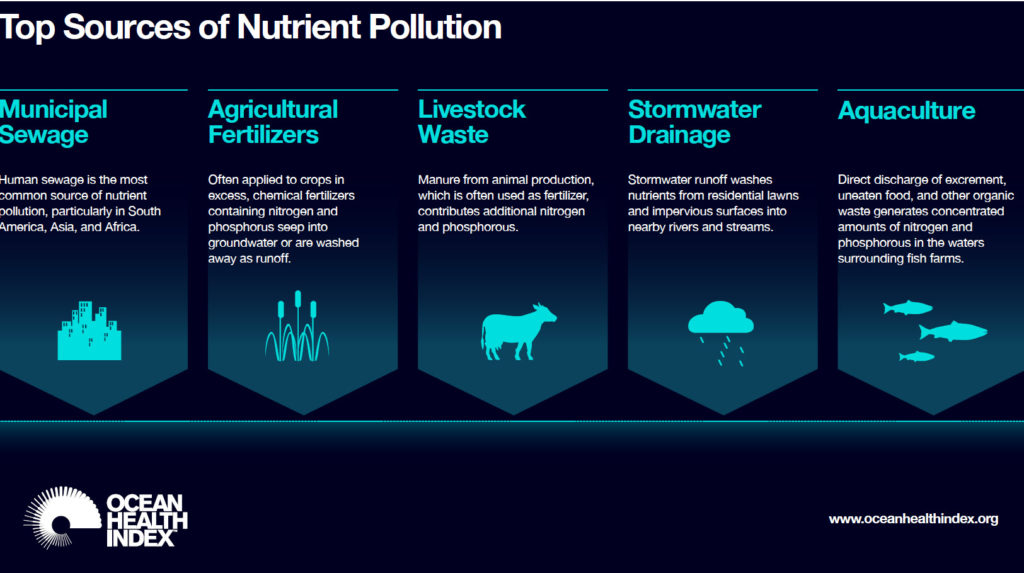
The 12 member states are: Arkansas, Illinois, Indiana, Iowa, Kentucky, Louisiana, Minnesota, Mississippi, Missouri, Ohio, Tennessee, and Wisconsin. This region is a major agricultural producer for the United States, as well as home to several major cities, all of which contribute the nutrients that result in hypoxia offshore in the Gulf.
State Nutrient Reduction Strategies
That’s where Gulf of Mexico Hypoxia Task Force comes in.
The 12 member states on the Task Force developed State Nutrient Reduction Strategies, plans for how each will reduce its own nutrient contributions to the Gulf of Mexico. Developed by residents of their own state, the Strategies are tailored to reflect the on-the-ground reality in their state, with tactics, actions, and goals that are both realistic and achievable.
Some of the actions represented in the state strategies include adopting soil conservation practices on agricultural fields; restoring wetlands; and installing green infrastructure in urban and suburban areas.
The state strategies will work in concert with federal programs, like the Farm Bill Conservation Programs, and private sector efforts by agricultural producers and environmental organizations.
No one state on its own can solve the nutrient runoff problem in the Gulf of Mexico, but, ideally, when these state strategies are combined, and efforts are ongoing across the entire region, there will be collective improvement.
How can River Citizens help?
The states in the Gulf Hypoxia Task Force were promised federal funding for their efforts, but never received it. They have developed their strategies using their own resources, but real progress depends on more resources. States will not be able to implement the most impactful strategies identified in their plans without additional funding.
How can River Citizens help? Visit our action center for a variety of ways you can make a difference from our 10 actions to specific, timely, action alerts!
What is Gulf Hypoxia?
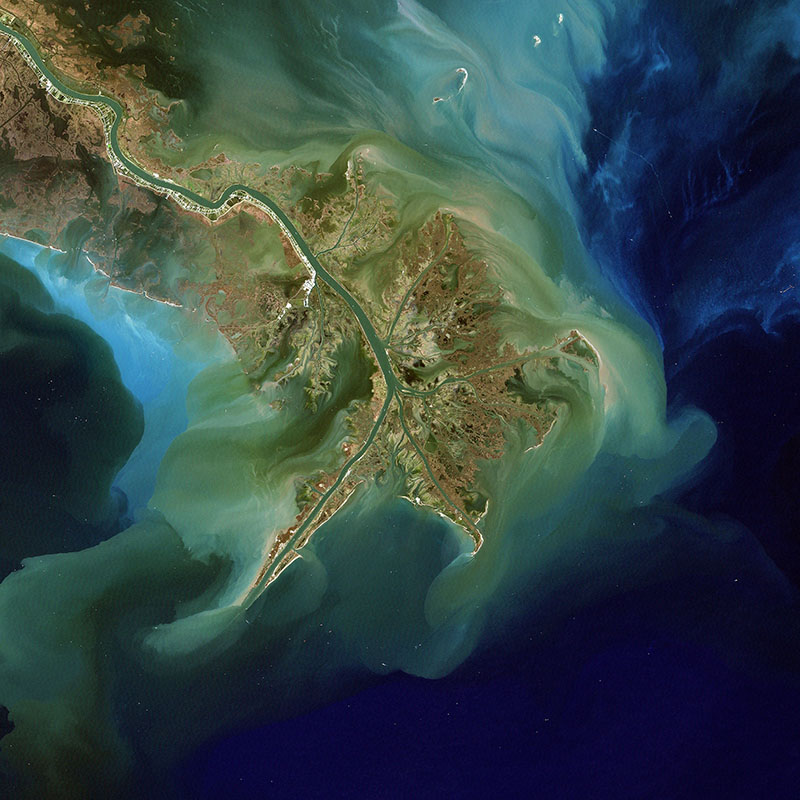
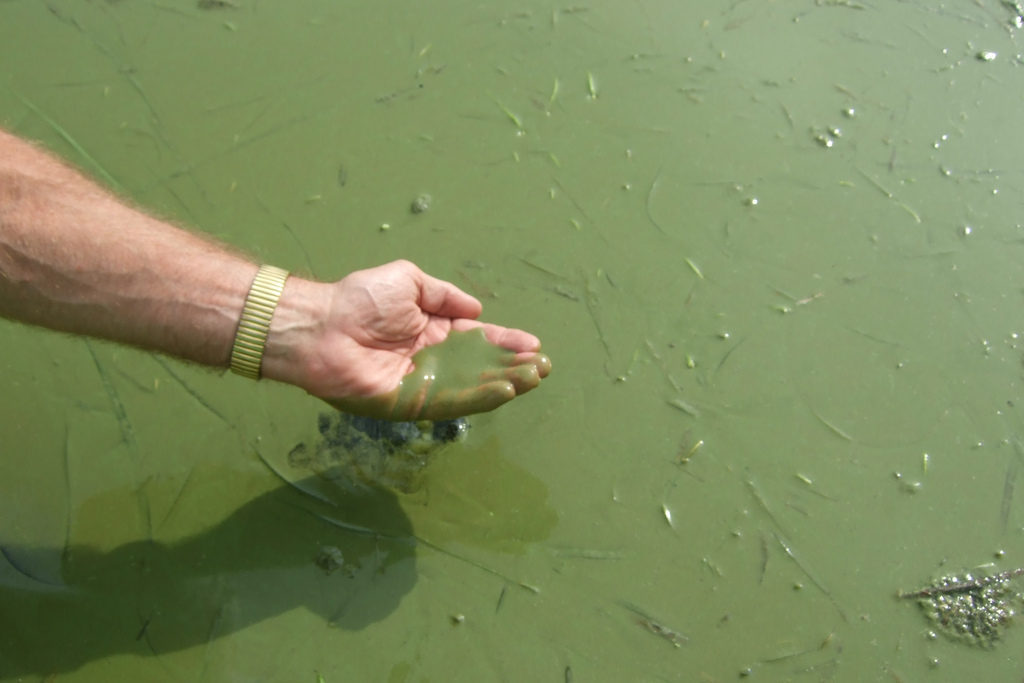
Hypoxia is a condition of low oxygen levels in water and it can occur in fresh or salt water. Large nutrient loads wash into the Mississippi River and its tributaries with rain and snow melt. These nutrients wash away from farm fields and from paved areas. The nutrients enter the Gulf of Mexico as the water makes its way down River. These nutrients, nitrogen and phosphorus, which are so essential for good crops, also feed large algae blooms offshore. When the algae blooms decay and sink and are eaten by zooplankton, they decompose and use up most of the oxygen in the water.
What’s left is water without enough dissolved oxygen in it to support life. Anything that can flee the area does. Everything else dies. There’s a reason the hypoxic zone is frequently referred to as The Dead Zone.
Therefore, nutrient runoff from agricultural fields isn’t just a serious financial problem for farmers; it’s also literally a life and death situation for ocean life—and the fishers, shrimpers, and communities who depend on that life for their own survival.
Step 1
Become a River Citizen
Yes! The River can count on me!
I am committed to protecting the Mississippi River. Please keep me informed about actions I can take to protect the Mississippi River as a River Citizen, and send me my free e-book!, Scenes From Our Mighty Mississippi!
Step 2
LEARN ABOUT THE RIVER
We protect what we know and love. As a River Citizen, you’ll receive our email newsletter and updates, which offer countless ways to engage with and learn more about the River. You can also follow us on Instagram, Facebook, X (Twitter) , and YouTube, where we share about urgent issues facing the River, such as nutrient pollution, the importance of floodplains and wetlands, and bedrock legislation such as Farm Bill Conservation Programs.
Step 3
Take Action
There are many ways you can jump in and take action for a healthy Mississippi River. Our 10 actions list includes simple steps you can take at any time and wherever you are. Check out our action center for current action alerts, bigger projects we are working on, and ways to get involved.